
How to Quit Smoking in Ireland: HSE Advice and the Psychological Side of Smoking
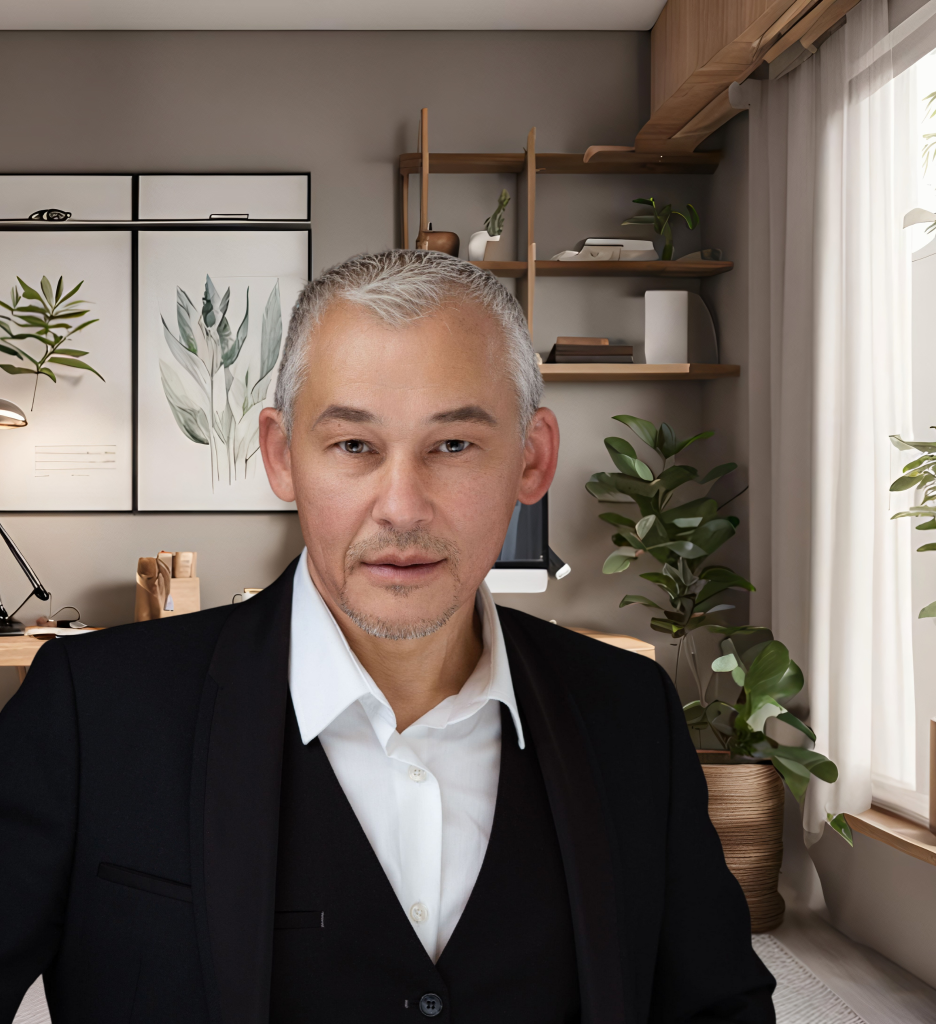
By Alex Peter Ivanov | Clinical Hypnotherapist | Non Smoking Ireland
Quitting smoking is not simply about putting down your last cigarette. For many people, it is about changing a habit that has become deeply connected with everyday life, emotions, routines and personal identity.
If you have tried to stop smoking before, you may already know how frustrating the process can feel. You make a decision, you feel motivated, and then something happens: a stressful day, a cup of coffee, a difficult conversation or a familiar social situation.
Suddenly, you want a cigarette again.
Why does this happen? And what can you do differently?
What Does the HSE Recommend for Quitting Smoking?
Ireland’s Health Service Executive (HSE) provides valuable information and free support for people who want to stop smoking.
Its recommendations include:
- Preparing for your quit date and identifying your reasons for stopping.
- Understanding nicotine cravings and withdrawal symptoms.
- Recognising the situations that trigger smoking.
- Getting support from trained stop-smoking advisors.
- Considering nicotine replacement therapy or prescription treatments where appropriate.
- Developing a personal plan for remaining smoke-free.
These are practical, evidence-based recommendations.
You can read the HSE guidance here:
HSE – Get Help to Quit Smoking
However, there is another aspect of smoking that deserves attention: the relationship between smoking, learned behaviour and the way we respond to everyday situations.
Why Do We Continue Smoking Even When We Want to Stop?
Smoking involves both physical nicotine dependence and learned behavioural patterns.
Think about your own experience.
Do you automatically reach for a cigarette when you have a coffee?
Do you associate smoking with taking a break?
Does a cigarette seem like a reward after completing a difficult task?
Do you find yourself smoking when you are bored, anxious or frustrated?
Over time, these situations can become strongly associated with smoking.
You may consciously want to stop, yet familiar circumstances continue to trigger the urge to smoke.
This does not mean you lack willpower. It means that successful change may require more than a decision: it may also require new responses to old triggers.
My Recommendation: Understand Your Smoking Habit Before Trying to Change It
In my hypnotherapy practice, I encourage people to examine the role smoking plays in their lives.
Before your quit date, ask yourself three important questions:
1. When do I most strongly want a cigarette?
Identify the moments, emotions and environments associated with smoking.
2. What do I believe smoking gives me?
Is it relaxation, confidence, comfort, a break or simply something to do with your hands?
3. What could I do instead?
Develop realistic alternatives for those situations. These might include taking a short walk, practising slow breathing, changing your routine or speaking to someone supportive.
The goal is not simply to remove cigarettes from your life. It is to build a daily routine in which cigarettes are no longer necessary.
Can Hypnotherapy Help You Stop Smoking?
Hypnotherapy is an approach that uses focused attention, relaxation and therapeutic suggestions to explore and support changes in thoughts, feelings and behaviour.
In my work as a clinical hypnotherapist, I focus on helping clients examine the personal associations and habitual responses that may be maintaining their smoking behaviour.
For example, someone who associates cigarettes with relaxation may benefit from developing alternative ways to experience calm. Someone who smokes automatically during certain routines may need to practise responding differently to those situations.
It is important to understand that hypnotherapy is not a guaranteed cure for nicotine dependence. Research on hypnosis for smoking cessation has produced mixed results, and it has not been established as more effective than recommended smoking-cessation treatments.
For this reason, I see hypnotherapy as a possible complementary approach rather than a replacement for HSE support, nicotine replacement therapy or advice from your GP.
Five Practical Steps Towards Becoming Smoke-Free
1. Decide Why You Want to Quit
Write down your personal reasons. Your health, your family, your freedom, your finances or your future may all be powerful motivations.
2. Recognise Your Triggers
Pay attention to when and why you smoke. The more clearly you understand your patterns, the easier it becomes to prepare alternative responses.
3. Prepare for Cravings
Cravings can be uncomfortable, but they do not last forever. Have a practical plan for managing them and consider evidence-based treatments that reduce nicotine withdrawal.
4. Seek Appropriate Support
You do not have to manage everything alone. The HSE provides free stop-smoking services in Ireland, including personalised advice and access to nicotine replacement therapy where appropriate.
5. Build a New Identity
Rather than focusing only on what you are giving up, think about what you are gaining.
Imagine your life without planning the next cigarette, interrupting activities to smoke or feeling controlled by cravings.
Becoming smoke-free is not only about stopping a behaviour. It is also about developing a different relationship with yourself and your daily routines.
What If You Have Tried to Quit Before?
Previous attempts do not mean that future attempts will fail.
Instead of viewing an earlier attempt as a defeat, consider what you learned.
Which situations were most difficult?
What support was missing?
What could you prepare differently next time?
Every attempt can provide useful information for a better plan.
Professional Hypnotherapy Support in Ireland
My name is Alex Peter Ivanov, and I work with clients who want to explore the behavioural and psychological aspects of smoking.
Through Non Smoking Ireland, I offer a personalised hypnotherapy approach focused on understanding habits, identifying triggers and supporting meaningful behavioural change.
My aim is to help clients approach their decision to stop smoking with greater awareness, preparation and confidence.
If you are considering hypnotherapy as part of your smoking-cessation journey, you are welcome to explore the support available through Non Smoking Ireland.
Ready to take the next step?
Contact Non Smoking Ireland to learn more about our hypnotherapy services and discuss whether this approach may be suitable for you.
For free, evidence-based smoking-cessation support, you can also contact the HSE QUIT service on 1800 201 203.
Disclaimer: Hypnotherapy is not a substitute for medical advice or established smoking-cessation treatment. Results vary between individuals. Speak to your GP, pharmacist or HSE stop-smoking advisor about appropriate treatments for nicotine dependence.